Why Vegan Skincare Is Better for Your Skin
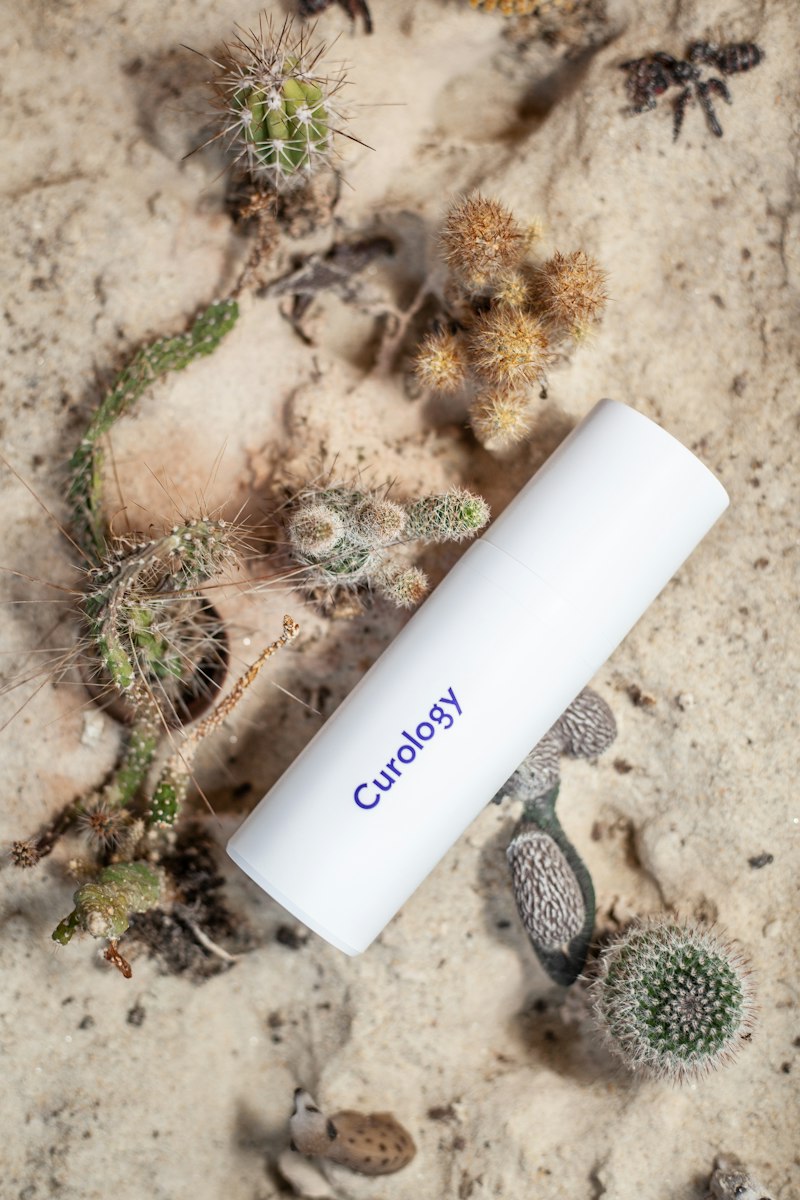
There is a persistent myth in the beauty world that vegan formulas are a sacrifice — that choosing cruelty-free means accepting lesser results. We are here to dismantle that myth, ingredient by ingredient.
Plant Oils vs. Animal-Derived Alternatives
For decades, lanolin — a waxy substance extracted from sheep's wool — was considered the gold standard in barrier repair. Today, formulations built on plant-based alternatives like jojoba oil, shea butter, and sea buckthorn are outperforming it in clinical studies. These oils are rich in essential fatty acids, vitamins, and antioxidants that lanolin simply cannot match.
The Antioxidant Advantage
The plant kingdom is nature's most powerful antioxidant factory. Resveratrol from grapes, vitamin C from rosehip, astaxanthin from algae — these compounds fight free radical damage with a potency that animal-derived skincare cannot replicate. Antioxidants are the cornerstone of any anti-ageing strategy, and they are found in extraordinary concentrations in botanical extracts.
Gentleness Without Compromise
Many conventional skincare products rely on animal-derived proteins and enzymes that can be sensitising to certain skin types. Plant-based formulations, particularly those featuring oat extract, aloe vera, and green tea, tend to be inherently calming — ideal for reactive, sensitive, or compromised skin barriers.
The Microbiome Connection
Emerging research suggests that the skin's microbiome — the community of bacteria that keeps skin healthy — responds positively to prebiotic plant ingredients. Fermented botanicals, in particular, appear to strengthen the skin's natural defences in ways that conventional ingredients do not.
Choosing vegan skincare is not a concession. It is, increasingly, the smartest skincare decision you can make.
